

Safety Warnings Siri — this guide from Big Wave Digital covers safety warnings siri for the Australian technology market. A practical, current view.
Safety first – Safety Warnings Siri
The loudest AI story this fortnight wasn’t a model launch, it was anxiety. Anthropic calling for a global pause on the riskiest frontier work, alongside the broader public debate about “too dangerous to release” systems, tells me the tone has shifted from capability to control. That matters in Sydney because most teams aren’t asking whether AI can write copy or summarise meetings anymore, they’re asking what happens when the model is wrong, leaked, or trained on data they can’t explain.
I’m seeing the same pressure from both sides of the market, regulators and customers. The safety conversation is no longer abstract, because enterprise buyers are now asking for governance, logging, model approval, and clear human override paths before they sign off on anything customer-facing. In practical terms, that means the old “move fast and test” culture is colliding with legal, brand and security teams that want evidence, not enthusiasm.
Apple finally moves – Safety Warnings Siri
Apple has finally done what it had to do, push Siri back into the AI race with a meaningful reset. The details matter less than the signal, Apple is admitting that voice assistants without strong generative AI are now a weak product category, not a moat. For Sydney marketers and product teams, that’s important because Apple still shapes default behaviour on millions of devices, and any lift in Siri capability will ripple through search, app discovery, and how people interact with everyday services.
My read is that this is less about a single “wow” feature and more about distribution. Apple doesn’t need to build the best model in the world, it needs to make AI feel native across iPhone, Mac and the rest of its stack, then let developers and brands adapt to that layer. If you’re building consumer experiences in Australia, the question is no longer whether people will use AI assistants, it’s which assistant gets the placement, permissions and trust.
Australia gets access
The more practical breakthrough for local teams is that Australia has joined the club with access to more advanced models, including systems that were previously out of reach or tightly restricted. That’s a big deal for real work, because it reduces the gap between what the big US teams can prototype and what Sydney businesses can safely trial in-market. It also means the difference between “we should experiment” and “we can actually put this into production” is getting smaller, provided the governance is there.
I’d treat this as a maturity moment rather than a headline. Access to stronger models will lift the quality of customer service bots, internal knowledge tools, analyst assistants and content workflows, but only if teams have a clear use-case, data policy and escalation process. The winners won’t be the ones who chase every new model, they’ll be the ones who standardise how they evaluate, approve and retire AI tools across marketing, product and operations.
The real spend
The real story underneath all of this is infrastructure, not interfaces. ABC’s reporting on the data-centre boom is the right lens, because Australia’s AI race is increasingly a power, land and cooling story, not just a software story. If you want to understand who is actually paying for AI in 2026, follow the capital into compute, fibre, chips and energy, because that is where the bills are landing.
That matters for Sydney because the local market is already feeling the knock-on effects in hiring and budgets. The RBA has been clear that business investment and productivity are still central to the economic picture, and AI infrastructure is now part of that investment story, while ABS labour data keeps reminding us that digital and ICT roles remain tight in the places that matter. In plain English, more companies want AI, fewer understand the cost of running it well, and the constraint is shifting from ideas to infrastructure.
What I’m watching in Sydney
There’s a useful split happening in the market. Some teams are still treating AI as a productivity trick for individuals, while others are starting to build around procurement, security, storage location and model governance. Those are not the same thing, and by 2026 the gap between them will show up in speed to market, compliance risk and hiring priorities.
LinkedIn’s ongoing hiring data has been pointing in the same direction, demand is strongest where AI intersects with engineering, data, risk and product, not just generic “AI strategy” roles. SEEK listings in Australia have also kept showing that employers want people who can implement, not just talk, especially across analytics, cloud, automation and marketing ops. If I’m advising a Sydney team today, I’d say the next year is about building capability around model selection, data governance and workflow integration, not just buying access to the latest tool.
Keiran’s take
The market is moving from experimentation to governance and procurement, and that changes how businesses hire in 2026. The strongest teams in Sydney will be the ones that treat AI as an operating capability, with security, legal, marketing, product and engineering all in the room, rather than a demo owned by one enthusiastic manager. The job market will keep rewarding people who can bridge technical judgment and commercial outcomes, because that’s where the real risk, and the real value, now sits.
The future is bright, let’s go there together!
Thanks for reading,
Cheers Keiran
Big Wave Digital.
Born in Sydney. Built for digital.
Obsessed with tech.
Trusted by the best.
And, most importantly, ready when you are.
“Courage is knowing what not to fear.”
— Plato
Fear slow hires.
Fear bad hires.
Fear wasting time.
But don’t fear reaching out.
We’re right here.
Let us help you build a Brilliant team in Digital.
Big Wave Digital are experts in Digital Recruitment Sydney
At Big Wave Digital, Sydney’s leading digital, blockchain and technical recruitment agency, we have deep connections, experience and proven expertise, and the ability to achieve a win for all parties in the challenging recruiting process. We can connect to highly coveted digital and tech talent with the world’s best employers.
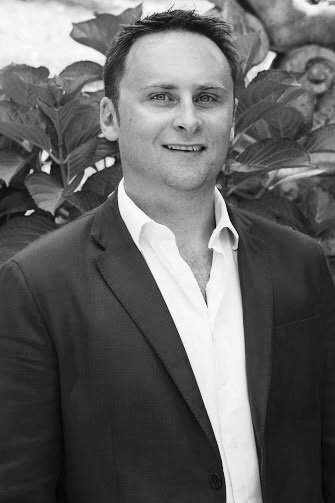
Keiran Hathorn is the CEO & Founder of Big Wave Digital. A Sydney based niche Digital, Blockchain & Technology recruitment company. Keiran leads a high performance, experienced recruitment team, assisting companies of all sizes secure the best talent.
Digital Marketing Recruitment in 2026 Sydney
See also Big Wave Digital on LinkedIn for more on safety warnings siri.
Explore more Safety Warnings Siri insights on the Big Wave Digital blog.
When it comes to safety warnings siri, Big Wave Digital brings specialist Australian market knowledge. Getting safety warnings siri right is the difference between a good hire and a great one. Our team works on safety warnings siri every day across Sydney and the wider Australian tech market. If you are weighing up safety warnings siri, talk to a specialist who lives in safety warnings siri. Smart safety warnings siri decisions start with current, local data on safety warnings siri.