
influencer marketing specialist signals were the first thing on my mind after a cold morning swim at Clovelly. The water was clear. I started thinking about how January always feels deceptive in recruitment, everyone says they are hiring but nothing moves until February. This year feels different though, and when I look at what recruiters see in influencer marketing specialist market Australia, I’m seeing activity arrive earlier, with more intent, and a lot more noise around who can actually do the work.
That’s the bit I keep coming back to, the market is moving earlier than people expect, and the influencer marketing specialist signals are showing up before most hiring teams notice them. I’m seeing this across creator hiring too, where companies want market visibility, faster output, and stronger commercial judgement, but the candidate shortlist keeps narrowing once you ask for someone who can think like a strategist, brief like an operator, and read platforms without needing hand-holding. That combination is rarer than most employers expect.
There’s a bigger shift underneath it. The market is not short of applicants; it is short of candidates who can prove creator judgment, commercial taste, and platform fluency in one package. I’m watching hiring teams in Sydney, Melbourne, and Brisbane move earlier because they know the good people disappear quickly, and I’m also seeing a lot of vague process around creator hiring that burns weeks before anyone even gets to shortlist quality. When hiring starts late, the whole thing becomes reactive, and reactive hiring rarely lands the best person.
Why influencer marketing specialist signals feel sharper in 2026
One reason the influencer marketing specialist signals feel sharper now is that the job itself has matured. A few years ago, plenty of brands were still treating influencer work as campaign support, nice to have, useful for reach, and often judged on visible output alone. That has changed. The stronger briefs I’m seeing now are tied to performance, brand lift, community credibility, and the ability to connect creator work back to business outcomes. That’s a much harder hire.
LinkedIn’s workplace and talent data has been consistent on one point, skills are moving faster than job titles, and that matters here because the best people in this lane do not always carry the neatest title. Some sit in social, some in brand, some in partnerships, and some in growth. If a hiring team is only searching for an exact title match, the candidate shortlist gets thin fast. The people who can do the job are often hiding in adjacent roles, and a specialist recruiter spends a lot of time mapping those edges properly.
There’s also a platform piece that is easy to underestimate. Creator work now sits across TikTok, Instagram, YouTube, podcasts, affiliate partnerships, and in some businesses, paid amplification as well. That means the hire needs to understand content formats, creator economics, audience trust, and the speed at which platform behaviour changes. The ABS keeps showing how digital and media-linked capability spreads across sectors, and that is exactly why I see more competition for people who can move comfortably between creative and commercial rooms.
For me, 2026 is the year hiring leaders stop asking for a generic social person and start asking whether the person can make creator hiring actually commercially useful. That is a different standard. It changes interview design, it changes how you assess portfolio depth, and it changes how early you need to move. If you wait until the project is urgent, you’re usually already behind the best candidates.
What the latest market noise is telling us about shortlist quality
The latest market noise is not telling me that there are no applicants. It is telling me that a lot of applicants are structurally similar, while only a smaller group can demonstrate judgement. I see plenty of people who can talk about engagement, partnerships, content calendars, and trend spotting. Fewer can explain why a creator fit worked, why another one missed, and how they’d change the plan after the first two weeks. That distinction shows up fast once the shortlist gets real.
This is where many hiring teams misread the room. They see a healthy volume of applications and assume the role is easy to fill. Then they discover the shortlist does not move because half the candidates are broad marketers with some creator exposure, while the other half are content operators with little evidence of commercial decision-making. The gap is judgment. It’s also why I keep telling clients that creator hiring needs sharper screening than a lot of generalist marketing roles.
There’s a useful signal in the broader advertising and digital market too. SEEK’s job ad trend data has shown that when ad volumes shift, good candidates become more selective and harder to pin down. That’s not a dramatic insight, but it matters. Once businesses start advertising earlier, they are not just competing on brand, they are competing on how convincingly they show scope, autonomy, and growth. If the role feels fuzzy, the shortlist becomes fuzzy too.
One of my favourite lines on this comes from Socrates, “The unexamined life is not worth living.” I’d paraphrase that for hiring as, the unexamined shortlist is not worth trusting. If a candidate cannot explain how they evaluate creators, manage stakeholder expectations, and protect brand fit when everyone wants quick wins, then the profile is incomplete. That is where specialist recruiter judgement earns its keep, because the surface CV rarely tells the whole story in this lane.
3 signals I’m seeing before a strong influencer hire gets made
There are a few patterns I’m seeing before a strong hire lands, and they show up early enough to matter. They are not flashy, and they are not always obvious to teams that hire this function only occasionally. But once you see them, you start recognising which employers will move decisively and which ones will spend three weeks discussing a person they should have already progressed.
- The best teams tighten the role before they advertise it. They know whether they want brand storytelling, creator partnerships, affiliate support, paid amplification, or a mix. That clarity shortens the candidate shortlist because the right people can see themselves in the work. In creator hiring, vague scope attracts broad interest but weak alignment.
- The hiring manager can explain taste, not only tasks. Strong influencer marketing specialist signals often appear when a team can talk about why a creator or campaign felt right. They do not hide behind metrics alone. They can talk about audience fit, credibility, tone, and the commercial reason behind the choice. That usually indicates they know what good looks like.
- The interview process checks for judgement under pressure. The better companies ask how a candidate would handle a creator missing deadlines, a campaign that is underperforming, or a stakeholder pushing for the wrong partnership. That tells me the business is serious about market visibility and wants someone who can operate without constant escalation.
Those three signals matter because they show whether the hire is being built intentionally or patched together. I have watched too many processes drift because the team said they wanted a specialist, then interviewed for a generalist. That is how strong candidates drift away. It is also how the candidate shortlist gets populated by safe people instead of sharp ones.
When a business gets these signals right, creator hiring becomes much cleaner. The process feels less like a guessing game and more like a filter for fit. That is when good candidates lean in, because they can sense the company knows what it needs. And when the role has that kind of clarity, the market responds faster than most people expect.
What recruiters see in influencer marketing specialist market Australia

What recruiters see in influencer marketing specialist market Australia is a mixture of urgency and caution. Some teams want to move now because they know the early part of the year is where the best people are still open. Others are still behaving like it is too soon, which means they will probably start hiring after the people they want have already taken something else. I see that pattern every year, but this year the gap feels wider.
There is also a quality issue. A lot of candidates can say they have run campaigns. Fewer can show how they shaped creator selection, protected brand fit, handled feedback, or translated creator content into a broader media or content strategy. That is why the specialist recruiter lens matters. We’re not just looking for activity. We’re looking for evidence that someone can make creator hiring pay off beyond surface-level output.
The broader labour market supports that tension. The Reserve Bank of Australia has been clear that labour market conditions have been loosening from the extremes, but not evenly across occupations. In practical terms, some functions are easier to fill than others, and niche digital marketing capability sits closer to the tight end than many leaders realise. The candidates who can combine commercial judgement and creator fluency still have options.
Simon Sinek said, “People don’t buy what you do, they buy why you do it.” I think the same applies to talent. Strong candidates do not always move for the loudest employer, they move for the clearest reason. If the hiring team cannot explain why this role matters now, why it has real scope, and why it is not just a holding pattern, the shortlist quality will reflect that. This is one of the clearest influencer marketing specialist signals I see from the outside before a search succeeds or stalls.
Why influencer marketing specialist signals are getting missed in interviews
Interviews are where a lot of good hiring intentions unravel. The problem is rarely that people ask bad questions on purpose. More often, they ask safe questions that produce safe answers. “Tell me about a campaign you ran” sounds sensible, but it does not reveal judgement. “How do you decide which creator to walk away from?” gets closer. The first gives you activity. The second gives you decision-making.
I see this most often when a business has internal excitement around creator work but no shared definition of success. One stakeholder wants reach, another wants conversion, another wants brand lift, and the candidate is left trying to answer three different interviews at once. That kind of process punishes capable people. It also disguises who actually has the skill, because the best candidates can look cautious in a messy room and overconfident in a loose one.
There’s a second layer too. Some interviewers over-index on platform familiarity and underweight commercial taste. A candidate may know every current format on TikTok or Instagram, but if they cannot explain how to protect brand equity, negotiate creator trade-offs, or challenge a weak idea respectfully, that platform fluency is incomplete. Good creator hiring needs both sides. That balance is where many hiring teams lose the best shortlist.
Winston Churchill said, “However beautiful the strategy, you should occasionally look at the results.” That applies here more than most marketing roles. A polished pitch about creator strategy means very little if the interview process cannot test execution. The businesses that get this right are the ones willing to ask harder, more specific questions and listen for judgement rather than buzzwords.
How creator hiring is changing the shape of the search
Creator hiring is becoming less of a social media add-on and more of a core capability. That shift changes search behaviour in two important ways. First, employers are looking earlier in the year because they know the people with strong judgment move quickly. Second, they are asking for closer evidence of cross-functional ability, because the role now touches brand, paid media, content, partnerships, and sometimes commerce.
That wider remit is where a lot of employers accidentally overcomplicate the job. They try to hire a unicorn, then wonder why the candidate shortlist feels weak. A better approach is to define the non-negotiables. Is the role primarily about strategy, partnerships, execution, or optimisation? Does the person need to own creator relationships, or simply shape the program? Does the business want someone with depth in one platform or breadth across several? These questions change the quality of the search.
I also see a meaningful difference when a company moves before urgency sets in. Strong candidates can smell a rushed process a mile off. If the role appears too late, the search turns into a race for whoever is available, not whoever is best. That is where the specialist recruiter view helps, because I can see when a team is competing in the right part of the market and when it is asking for a profile that does not match reality.
For hiring leaders, the signal is simple. If creator work matters to growth, it needs to be treated like a strategic hire, not a side-function. Once that clicks, the process gets better almost immediately. The role becomes clearer, the interview questions improve, and the candidate shortlist starts to look like the market you actually want, not the one you happened to attract.
Frequently Asked Questions
What are the strongest influencer marketing specialist signals right now?
The strongest signals are early hiring intent, clearer role scope, and stronger testing around judgement. If a business can explain how influencer work connects to brand and performance, and the process checks for real decision-making, the hire is usually better.
Why does creator hiring feel harder than other marketing roles?
Because the role sits across creative, commercial, and platform skill sets. Plenty of candidates can talk about campaigns. Fewer can show taste, negotiation ability, and the judgement to protect brand fit. That makes the candidate shortlist more selective.
What recruiters see in influencer marketing specialist market Australia that hiring teams miss?
We see how often strong people sit in adjacent roles rather than the exact title, and how quickly they move when the role is well framed. We also see when a business is asking for too many outcomes from one hire, which usually weakens shortlist quality.
How can a specialist recruiter help with this search?
A specialist recruiter can map beyond title matches, screen for judgement, and separate busy marketers from people who have real creator fluency. That matters in creator hiring because surface-level experience is common, but strong commercial taste is not.
Reflective closing
When I step back from the swim, the headline noise, and the early-year hiring chatter, I keep coming back to the same point. The market is not waiting for employers to catch up. The influencer marketing specialist signals are already there, and they are telling us that the best people will move before most teams are ready. That is especially true in creator hiring, where the difference between a broad applicant pool and a strong candidate shortlist often comes down to how clearly the role is defined and how early the search starts.
Right now, hiring leaders should read the influencer marketing specialist signals as a warning against vague briefs and a reminder to move earlier if they want real talent, not just activity. If the business needs someone who can bring creator judgment, commercial taste, and platform fluency together, then the hiring process has to be built for that standard from the start. That is where the strongest hires come from, and it is where the market is heading whether teams are ready or not.
The future is bright, let’s go there together!
Thanks for reading,
Cheers Keiran
Big Wave Digital.
Born in Sydney. Built for digital.
Obsessed with tech.
Trusted by the best.
And, most importantly, ready when you are.
“Courage is knowing what not to fear.”
— Plato
Fear slow hires.
Fear bad hires.
Fear wasting time.
But don’t fear reaching out.
We’re right here.
Let us help you build a Brilliant team in Digital.
Big Wave Digital are experts in Digital Recruitment Sydney
At Big Wave Digital, Sydney’s leading digital, blockchain and technical recruitment agency, we have deep connections, experience and proven expertise, and the ability to achieve a win for all parties in the challenging recruiting process. We can connect to highly coveted digital and tech talent with the world’s best employers.
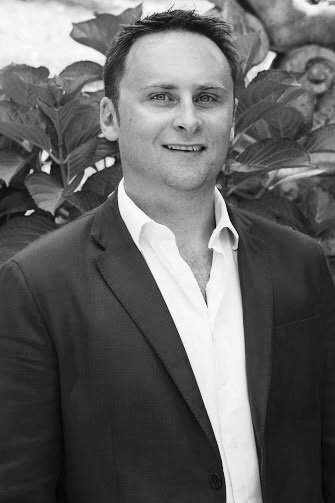
Keiran Hathorn is the CEO & Founder of Big Wave Digital. A Sydney based niche Digital, Blockchain & Technology recruitment company. Keiran leads a high performance, experienced recruitment team, assisting companies of all sizes secure the best talent.
Digital Marketing Recruitment in 2026 Sydney