

Principal Software Engineer recruiter: The Hiring Edge
The ABC News headline, “AI jobs fight looms over Labor conference”, points to a debate that Australian technology leaders are already feeling inside their teams. When AI becomes a political and commercial priority, hiring plans tend to fill with ambitious language, urgent timelines and broad expectations. That is where a specialist Principal Software Engineer recruiter Sydney search needs to begin, with a clear view of the decisions the hire must own.
I came back from a swim at Clovelly recently and found Tibs and Rua had planned, shopped for and cooked two completely different meals without help. Tibs had made a full Japanese okonomiyaki banquet. Rua had put together a healthy burrito bowl, although she had used potatoes instead of rice. Neither Rach nor I had been involved. They owned the planning, the choices and the cooking, and the results were brilliant.
That is the useful hiring parallel. Strong technical leaders do not wait for instructions before moving an ambiguous problem forward. They understand the outcome, make sensible decisions with incomplete information and create enough structure for other people to contribute. A Principal Software Engineer recruiter search needs to identify that difference, not collect impressive technology keywords and assume seniority will do the rest.
Why AI is making technical leadership hiring noisier
The AI debate is making senior engineering capability more visible, but it is also making the market noisier. More businesses are adding AI to product plans, transformation programs and board discussions. Some are hiring for machine learning expertise. Others are trying to modernise existing platforms, improve developer productivity or introduce AI features without damaging reliability, security or customer trust.
Those are different problems, yet they often appear in the same job description. A company may ask for cloud architecture, distributed systems, technical strategy, mentoring, platform engineering, data capability and AI experience in one role. The list can look sophisticated while leaving the central question unanswered: which technical decisions will this person own when the path is unclear?
That question has become more valuable as technology teams respond to AI pressure. The latest tools can help engineers move faster, produce prototypes and explore solutions. They do not decide whether a product should be built, which risk is acceptable, whether a system can be supported at scale or how a divided group should align around a difficult trade-off.
That work still depends on judgement. It also depends on influence. A Principal Software Engineer needs to operate across product, design, security, data, operations and executive leadership, often without direct authority over the people affected by the decision. The strongest candidates can make complexity easier for others to navigate.
Principal Software Engineer recruiter searches need a sharper question

When I work on a senior engineering search, I am less interested in whether a candidate can repeat the language of the role than in how they have behaved when the language stopped being clear. Titles vary between companies. A principal engineer in one organisation may be a senior individual contributor with deep architectural ownership. In another, the title may describe a hands-on engineering manager or a technical founder operating across the whole product.
That variation makes principal engineer hiring difficult for internal teams that are moving quickly. A hiring manager may recognise technical fluency but struggle to distinguish expertise from leadership. A panel may reward the candidate who gives the most detailed system design answer, even when the role requires someone who can bring five teams to a workable decision.
I look for evidence across several dimensions:
- Decision ownership: Did the candidate make a consequential technical call, or were they one contributor among many?
- Scope: Did the decision affect a service, a product, a platform or the wider organisation?
- Influence: Could they move peers and leaders without relying on reporting lines?
- Durability: Did the solution continue to create value after the immediate delivery pressure passed?
- Leverage: Did other engineers become more capable, faster or more confident because of their work?
These questions help separate senior engineering talent from candidates who have accumulated senior-sounding language. A person can have fifteen years of experience and still have spent most of that time executing decisions made elsewhere. Another candidate may have a shorter career but a stronger record of owning ambiguous, high-consequence work.
That distinction is why a specialist tech recruiter Sydney companies use for principal-level searches needs to understand engineering environments, not only recruitment process. I do not need to write the architecture myself, but I need to understand what the architecture tells me about scope, constraints, trade-offs and accountability.
The market is short on evidence, not senior titles
Australian technology teams are not short of people with senior engineering titles. They are short of clearly evidenced technical leaders who can make difficult decisions, influence across functions and create leverage for the teams around them.
I see this most clearly when a company presents a long list of tools as a substitute for a leadership definition. The list might include Kubernetes, AWS, Java, Python, React, event-driven architecture, data platforms and generative AI. Those technologies may all be relevant. They do not tell me whether the candidate can decide when to simplify, when to accept technical debt, when to challenge a product direction or how to explain a difficult trade-off to a non-technical executive.
The strongest interview conversations usually move quickly from tools to consequences. What broke? What did the candidate change? Who disagreed? What did they choose not to build? How did they know the decision had worked? What did the team learn that remained useful after the candidate moved on?
Those details matter because principal-level work is often visible through second-order effects. A candidate may have designed a platform, but the stronger evidence could be that teams stopped duplicating work, release confidence improved, incidents became easier to diagnose or product leaders gained a clearer view of delivery risk.
Technical leadership hiring becomes more reliable when the panel assesses those outcomes. A Principal Software Engineer recruiter can improve the process by testing for them before candidates reach the interview stage, then challenging vague answers rather than allowing a familiar brand name, title or technology stack to carry the decision.
What strong senior engineering talent looks like in practice

There is no single personality type behind effective principal engineers. Some are quiet and analytical. Some are persuasive communicators who enjoy a room full of competing opinions. Some remain deeply hands-on, while others spend more time setting direction and helping teams make better decisions.
The common thread is ownership. Strong candidates can describe a messy problem without making themselves the hero of every part of it. They know where their responsibility started, where it ended and which other people made the result possible. That is a useful sign because principal work is rarely a solo performance.
I also pay attention to how candidates talk about disagreement. A person who describes every disagreement as evidence that colleagues lacked understanding may be technically capable but difficult to scale through an organisation. A technical leader needs to hold a firm view while remaining open to better information. They need to know when to defend a principle and when to change their mind.
Communication is not a soft extra in this context. It is part of the engineering work. A principal engineer may need to explain why a launch should pause, why a cheaper architecture creates future risk, why a team needs to invest in internal capability or why an AI feature should not be released before its failure modes are understood.
The best candidates make those conversations more precise. They can speak to engineers about implementation, to product leaders about customer impact and to executives about risk, cost and timing. That range is one of the clearest markers of senior engineering talent I see in the Australian market.
How principal engineer hiring can avoid a fashionable shortlist
AI urgency makes it tempting to search for candidates who have recently worked with the latest tools. That experience can be valuable, particularly where a business needs to build new capability quickly. It should not become a shortcut for assessing technical leadership.
A candidate who has shipped an AI feature may not have led an organisation through a complex technical decision. A candidate who has not worked directly with the newest model may still have the systems thinking, product judgement and influence needed to guide a responsible implementation. The role determines the relevance of the experience.
I would structure the process around the decisions behind the hire. Before advertising or approaching candidates, the leadership team should agree on the three or four technical problems that will define success. Those problems might involve platform reliability, a fragmented architecture, a scaling challenge, developer productivity, data governance or the integration of AI into an established product.
Then I would test candidates against the evidence, rather than asking broad questions about leadership. “Tell me about a time you led a technical strategy” is likely to produce a polished answer. “Tell me about a decision that changed the direction of several teams, who resisted it and what happened six months later” creates a much stronger signal.
This is where specialist recruitment support earns its place. A specialist Principal Software Engineer recruiter should improve the question being asked before improving the shortlist. If the internal team cannot agree on the decisions the role owns, adding more candidates will create more confusion, not better hiring.
The selection process should also give candidates enough room to show how they think. A tightly scripted panel with rapid-fire technical questions can favour recall and confidence. A structured conversation about a real problem, followed by probing on trade-offs, stakeholder tension and outcomes, tends to reveal more about principal-level performance.
Frequently Asked Questions

What does a Principal Software Engineer recruiter look for?
I look for evidence of technical decision ownership, broad influence and durable impact. Technology experience matters, but the stronger signal is how a candidate handled ambiguity, aligned people around a decision and improved the capability of the teams around them.
Why is principal engineer hiring difficult in the current market?
AI language has expanded the number of roles seeking senior technical capability, while many job descriptions remain unclear about the decisions involved. Titles also vary between organisations, so hiring teams need to assess scope and outcomes rather than rely on title matching.
How can a company assess senior engineering talent accurately?
Start with the technical decisions the person must own. Ask candidates to describe the context, constraints, disagreement, decision and measurable outcome. Include cross-functional stakeholders in the process, because principal engineers influence beyond the engineering function.
When should a company use a specialist tech recruiter Sydney businesses can rely on?
Specialist support is useful when the role sits between architecture, delivery, product strategy and organisational influence, particularly when the internal team has limited access to comparable candidates. The value should come from market understanding, technical pattern recognition and sharper assessment, not from adding process for its own sake.
The ABC News headline about the AI jobs fight reflects a wider pressure on Australian technology teams. Leaders are being asked to respond faster, build new capability and make responsible choices while the language around AI keeps changing. That pressure will continue to make senior engineering hiring visible in boardrooms and budget discussions.
My view is that leaders should resist responding with a vague principal-level search. Decide which technical decisions the hire must own, what influence the role needs and what evidence will prove the candidate has operated at that level. A specialist Principal Software Engineer recruiter can help when that judgement improves the definition of the role and the quality of the assessment.
The best process will be less interested in fashionable tools and more interested in judgement, ownership and durable impact. Tibs and Rua did not need someone standing over them with a recipe. They needed to recognise the outcome, make choices and take responsibility for what happened next. That is the same hiring signal I want to see in a principal engineer, at a much larger scale.
The future is bright, let’s go there together!
Thanks for reading,
Cheers Keiran
Big Wave Digital.
Born in Sydney. Built for digital.
Obsessed with tech.
Trusted by the best.
And, most importantly, ready when you are.
“Courage is knowing what not to fear.”
— Plato
Fear slow hires.
Fear bad hires.
Fear wasting time.
But don’t fear reaching out.
We’re right here.
Let us help you build a Brilliant team in Digital.
Big Wave Digital are experts in Digital Recruitment Sydney
At Big Wave Digital, Sydney’s leading digital, blockchain and technical recruitment agency, we have deep connections, experience and proven expertise, and the ability to achieve a win for all parties in the challenging recruiting process. We can connect to highly coveted digital and tech talent with the world’s best employers.
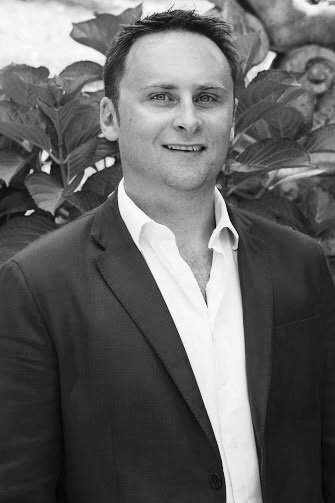
Keiran Hathorn is the CEO & Founder of Big Wave Digital. A Sydney based niche Digital, Blockchain & Technology recruitment company. Keiran leads a high performance, experienced recruitment team, assisting companies of all sizes secure the best talent.
Digital Marketing Recruitment in 2026 Sydney
See also Big Wave Digital on LinkedIn for more on principal software engineer.
When it comes to principal software engineer, Big Wave Digital brings specialist Australian market knowledge. Getting principal software engineer right is the difference between a good hire and a great one. Our team works on principal software engineer every day across Sydney and the wider Australian tech market. If you are weighing up principal software engineer, talk to a specialist who lives in principal software engineer. Smart principal software engineer decisions start with current, local data on principal software engineer. When it comes to principal software engineer, Big Wave Digital brings specialist Australian market knowledge. Getting principal software engineer right is the difference between a good hire and a great one. Our team works on principal software engineer every day across Sydney and the wider Australian tech market. If you are weighing up principal software engineer, talk to a specialist who lives in principal software engineer. Smart principal software engineer decisions start with current, local data on principal software engineer. When it comes to principal software engineer, Big Wave Digital brings specialist Australian market knowledge.